

An interviewer for a postdoc position recently told me aiming for professor positions at liberal arts schools was a waste of time and talent. They said a scientist employed by such a school could never produce meaningful research, and undergraduate students were not worth my time. I was… mildly horrified.
My liberal arts degree made me the scientist I am today.
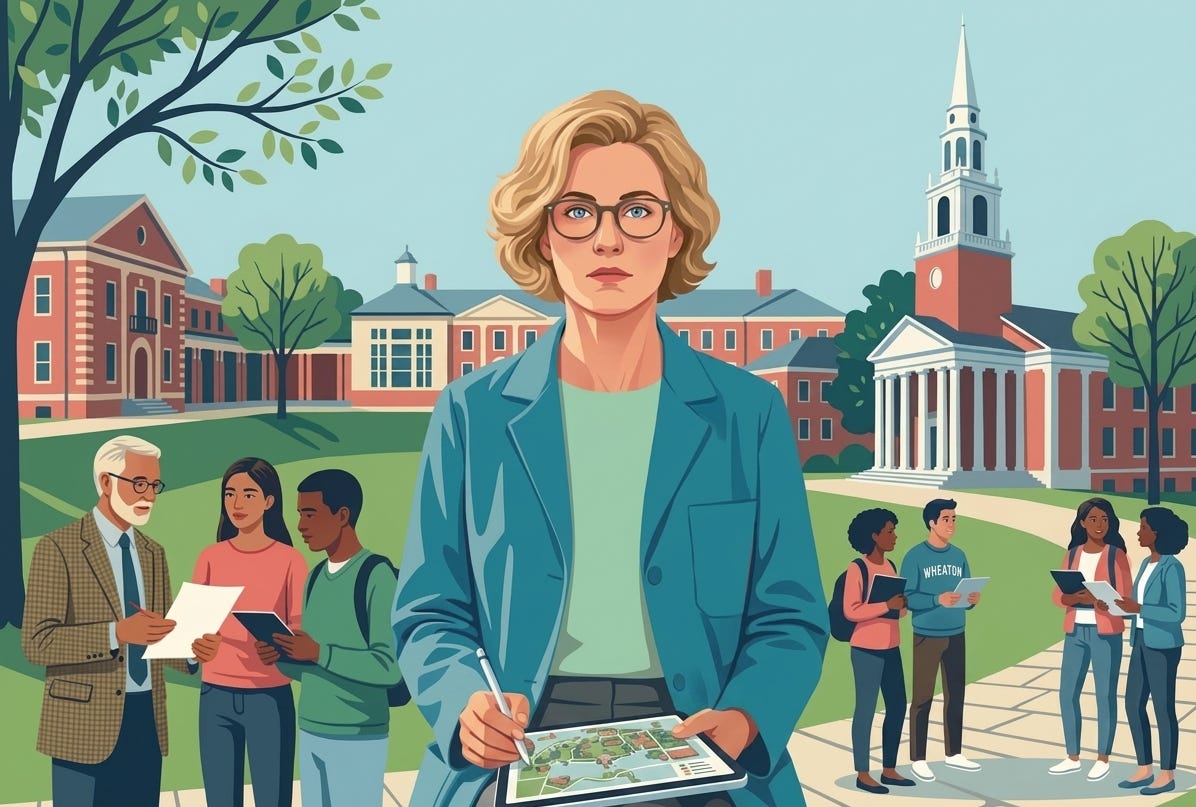
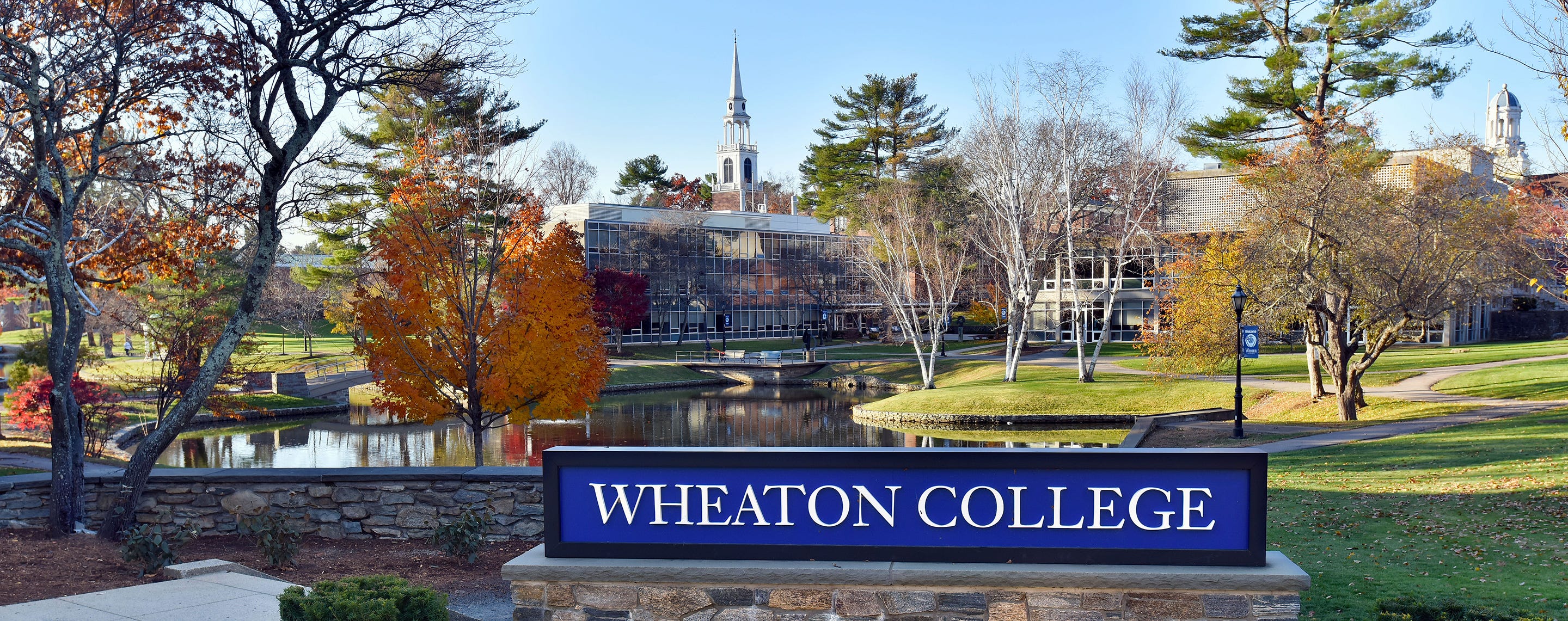
I am a proud graduate of Wheaton College in Massachusetts. Smackdab in the middle of the Providence-to-Boston commuter line, Wheaton is home to ~1,700 undergraduate students who have walking access to four facilities: Walgreens, CVS, a bagel shop, and a micro-brewery.
For what it lacked in its physical location, it made up for in its superior education system. The value of a liberal arts education typically comes from its broad-based teaching style that pushes students to take classes in science, mathematics, language, and humanities, regardless of their major.
The liberal arts education system prepares students for life in the ‘real-world’ — or simply acknowledges the world rarely operates by textbook definitions. Professors push students to be adaptable, curious, diverse, and challenged. I was required to take 16 courses outside of my major, but within these courses I was encouraged to tailor essays, debates, and discussions on my personal interests: biochemistry and human health.
For example, in Cultural Anthropology and Sociology, I learned how societies existed before and after the introduction of modern medicine. I explored why some cultures may reject modern medicine, and how medical anthropologists can bridge gaps between clinicians and community leaders. In Engaged Buddhism and World Music: Eurasia, I explored how religion and arts can shape someone’s medical treatment journey. In Drugs & Behavior, a psychology course, I discovered health disparities exist in groups impacted by gun violence, low socioeconomic status, and in areas classified as food deserts. All of these experiences led to my doctoral degree in medicinal chemistry, where I focused on producing low-cost chemotherapeutics that could be deployed in developing areas where patients may not have access to, or trust, modern IV-based therapeutics.
There are over 1,500 colleges and universities in the U.S. However, less than 200 of these are private liberal arts colleges1. Mainly located in the Mid-Atlantic and New England regions, the top liberal art colleges in 2025 were Williams College (MA), Pomona College (CA), Bowdoin College (ME), Amherst College (MA), and Wellesley College (MA). These colleges have acceptance rates less than 10% and host ~500 undergraduate students on campus per class year. While these colleges provide incredible education and opportunities, they come at a cost, literally: Private liberal arts education costs people $10,000 more per year compared to public colleges, on average1.
In a booming economy, this model works. In 2026, it does not.
Since 2024, over 20 private colleges have closed due to high prices, shrinking college-age cohorts, and higher interest in “AI-proof” trade professions, such as electrical, plumbing, and cosmetology2. I don’t blame them either; the current unemployment rate among recent college graduates sits at 5.6%, considerably higher than the national average of 4.2%3. Worse, nearly 50% of recent grads claim to be underemployed3, meaning they are not working jobs that require their new, sparkly college degree. Ultimately, this spells lower income and higher debt for college graduates as they enter a society in which cost of living remains at an all-time high.
As a liberal arts graduate, these stats make me nervous. In a world where AI is ever-present, we need our students to be exposed to the liberal arts curriculum more than ever. We need students with emotional intelligence and a worldly understanding, who can critically think at a level above ChatGPT, and who are confident in communicating their opinions without asking Claude to weigh in.
We need professors who are passionate about training young minds to infuse their interests into all areas of society. We need small class sizes, adaptable courseloads, enforced attendance, and research professors willing to train the next generation of doctoral scientists for success.
We need the liberal arts colleges to survive current economic and political challenges, because the liberal arts curriculum will produce the minds capable of deciding our future.
And selfishly, I need liberal arts colleges to survive so I can reach my final form: quirky liberal arts professor.
References:
1. https://www.liberalartscolleges.com/exactly-where-are-the-liberal-arts-schools/
3. newyorkfed.org/research/college-labor-market
