

“You look healthy, so nobody is going to help you. You’ll need to figure this out on your own.” - Unnamed MD/PhD
This was the advice I received during a discussion with an ex-NIH physician-scientist last fall regarding my undiagnosed health issues. Already shrugged off by three allergists, an ENT, and a highly sought-after immunologist, I should have seen this advice coming.
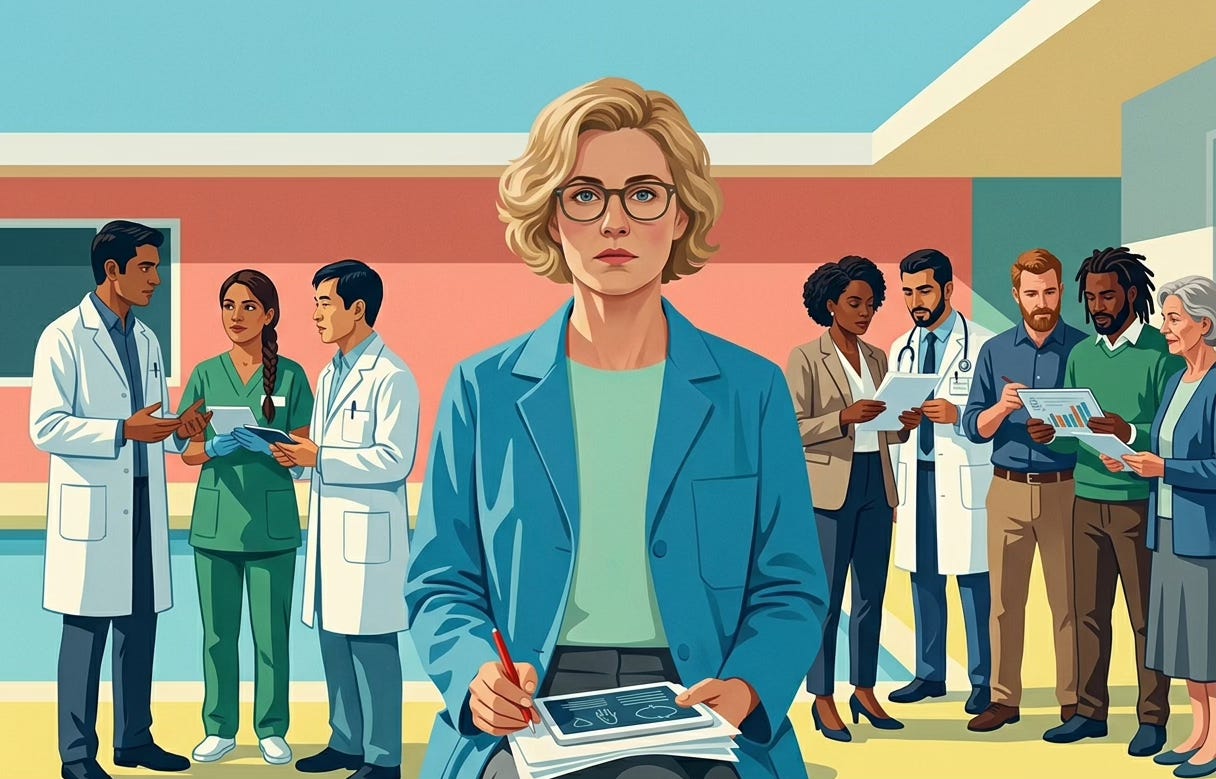
I’ve come to believe there is space in the medical system to allow PhD scientists to work alongside physicians to diagnose the zebras that walk through the doors. We have the diagnostic means to discover the root causes of chronic illnesses, and everyone deserves the chance to gain their health back.
I am an outwardly healthy-looking woman. I run marathons, have a low BMI, and receive normal yearly metabolic blood test results. However, my allergy symptoms had me regularly spiraling into more bad days than good, peaking with regular anaphylaxis during exercise and a complete inability to tolerate grains. The above-mentioned medical professionals passed all of these experiences off as minor inconveniences for a young athlete.
Luckily, I also have a PhD and years of academic training in medicinal chemistry and cell biology.
Fed-up with the U.S. medical system, I began compiling my blood/allergy results and vast symptom catalogue to search for my own chronic illness diagnosis. My primary care physician agreed to help at first, but when I began requesting testing for complex immunological disorders, she ultimately gave up on me as well.
I was experiencing the unexpected burden of being the wrong type of doctor.
I am the type of doctor who has the time and knowledge to digest hundreds of papers and case studies, but no ability to order tests. I am the type of doctor who can receive patient samples and run them in a lab, but not the type who can write scripts to solve their ailments. I possess the knowledge to fix myself, yet have no way to fix myself without working alongside a physician.
In 2023, approximately 194 million adults in the U.S. reported living with one or more chronic conditions — that’s about 76% of the adult population1. By the year 2050, nearly 100% of adults are predicted to live with one or more chronic illnesses2. This level of disease is already destroying our fragile medical system. Medical doctors treat 20 to 30 patients per day, every day, for years on end3. Over 45% of U.S. physicians report feelings of burn out, emotional exhaustion, and severe personal health consequences3. How can we expect our medical professionals to help us feel better if they are barely keeping themselves afloat?
Despite my allergists and immunologist brushing me off, I was able to deduce I very likely had mast cell activation syndrome (MCAS). Mast cells are white blood cells that help maintain homeostasis, initiate tissue repair and angiogenesis, and regulate immune responses4. These cells are mainly found in the skin, respiratory, gastrointestinal, and reproductive tracts – the areas I was experiencing the most trouble with4. After calling numerous allergy clinics, I was finally connected with a local physician-scientist who was willing to acknowledge mast cells disorders exist.
I understood how he learned to be a medical doctor… so I made myself into a case study. I wrote up my story, printed all my lab results, detailed my responses to various medications, and gave the presumptive diagnosis of MCAS. The crazy part – after being shrugged off by so many medical professionals — he listened. He ordered the labs I wanted ordered (and more). He validated my literature findings. He ordered meds I suggested might work… and did work. Finally, he found me a drug that could help treat the root cause of my disorder – not just suggesting I avoid an entire food group and cover the symptoms with insane doses of antihistamines (I was up to >85 mg/day).
Together, we were able to prove I did have a disorder from mast cell over-activation. Through mutual respect of each other’s expertise, we were able to find a diagnosis and root-cause treatment within six weeks of our first meeting. I aspire to see relationships like this form between physicians and scientists regularly. Together, we can share this chronic illness burden, reduce burnout, and help patients feel better.
This shift needs to start with medical professionals’ willingness to accept theory from doctors who did not attend medical school. Physicians do not have the time to dig deep into literature to find symptom connection and disease causal. Physicians do not have the time to stay up to date on the latest medical breakthroughs when they are expected to treat 30 people a day.
Scientists do.
As a full-time scientist, my goal is to improve medicine. It is my job to read the literature, understand the gaps, and conduct new experiments. Modernized healthcare is moving toward a future where patients have access to more of their data, and personalized medicine is on the horizon. This means access to non-standard testing through third-parties, biologics designed for patient genotype, and autologous immune cell therapies. However, my experience showed me most doctors are not ready to engage with this data-rich future of medicine, or even a patient coming in with their own data and literature.
Together, we can reduce physician burnout, increase patient response, and, just maybe, reduce the diagnosis of chronic illness one patient at a time. We need to work together to solve human disease. The future of modern medicine will rely on tighter collaboration between scientists and doctors. We need to let ‘not-medical-doctors’ into the U.S. medical system if we want to see our patients succeed.
References:
1. https://pmc.ncbi.nlm.nih.gov/articles/PMC10830426/
2. https://www.cdc.gov/pcd/issues/2025/24_0539.htm
3. https://www.ama-assn.org/practice-management/physician-health/what-physician-burnout
4. https://www.aaaai.org/conditions-treatments/related-conditions/mcas
