

Spanning the Gap on a Bridge Made of Money
Startup companies are founded every day with two key ambitions. One is that their services will improve society (impact); the other is to make a lot of money (incentive). These two drivers can be in competition or collaboration with each other but are never completely divorced.
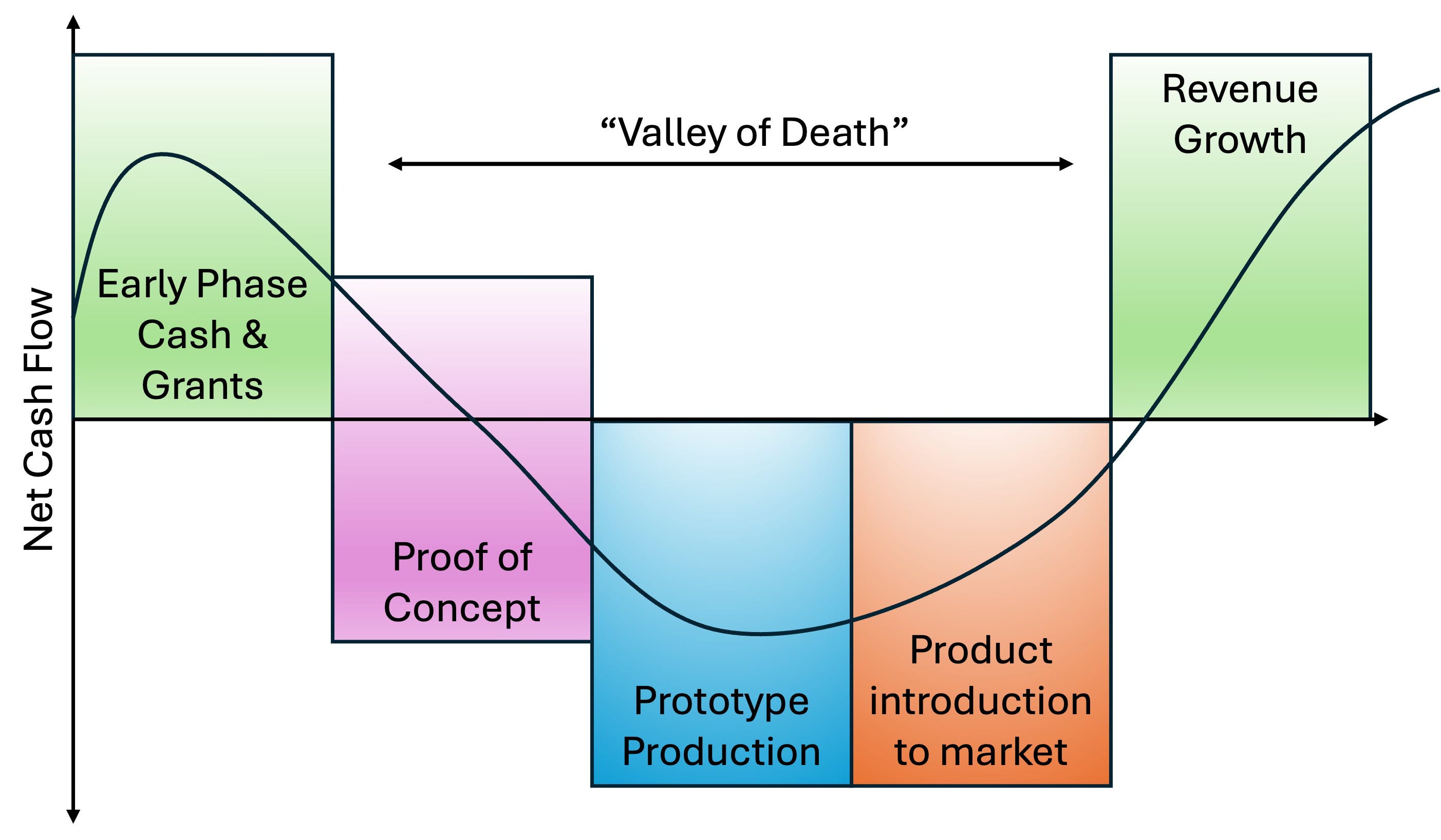
Fundamentally, new projects need money to get off the ground. Biotech companies in particular require millions of dollars for development before they see even a cent of revenue. This crucial period of investment and development is lovingly referred to as “the valley of death” and even the cure for cancer would need to make it across (1). To gain the necessary capital, companies need to convince venture capital investors that they will become profitable because their technology will be successful, tap a new market, or outperform competitors.
Biotech is not alone is these struggles. Publicly traded companies and garage run startups make the same promise that they will grow and that you, the investor, stand to gain money. However, we live in a competitive world. To distinguish themselves and garner interest new companies make grand promises, but at the same time lose sight of the problem they claim to solve.
AI + “your problem here” = Revenue Growth
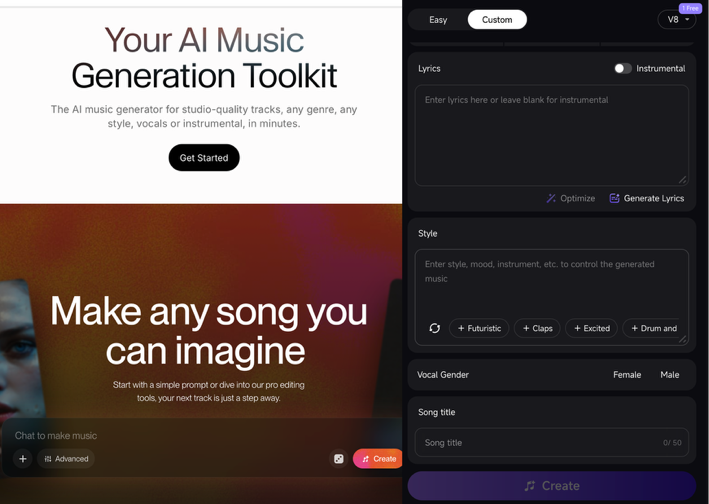
The convergence of artificial intelligence (AI) and “insert any topic here” is ubiquitous is every market. For now we will focus on AI and music as a core example of promises made to solve a problem and promises to earn money. AI generated music has been gaining notoriety. CEOs of these companies claim that the benefit of AI generated music is that it lowers the barriers to entry (2). The problem: music is important, but time consuming to learn the fundamentals. The solution: AI music generation tools require less effort for those without advanced training, time to practice, or access to instruments. So, the promise to investors is that the technology would be helping more people access music AND you’ll make some money since everyone will want to use it. Is AI generated music truly the only solution to this problem?
A more direct solution would be to increase the accessibility to music education in schools. If music was a fundamental part of everyone’s upbringing no one would even need these AI tools. Unfortunately, increasing accessibility to music education in schools is not a promising investment but a philanthropic effort instead. That is unless all education systems are privatized and geared towards profit. Not only is this unlikely, but it would completely displace the desired impact of education systems… to educate.
An Ethical Road to Problem Solving
This is where the goal of entrepreneurial impact conflicts with financial incentives. Many people would agree that music should be accessible to everyone. However, solving the core of the problem by addressing music education does not stand to make money. Other societal problems like climate change and accessibility to healthcare face similar dilemmas. Solutions with the potential for greater impact need to find a way to sell themselves and the original goal becomes secondary. On the other hand, technologies which aim to make money first can also use these societal problems as coincidental selling points. How can we distinguish efforts that aim to solve a problem first from those that are a money making operation? Does the difference ultimately matter if progress is being made?
I don’t believe that there is a clear answer to these questions. New companies should weigh impact and incentive carefully when looking to establish themselves. The most important aspect of successful new technology is that it meets a need of customers, not just a desire. Generating a societal impact is not the main goal of a business strategy, making money is. This should not be seen a discouragement of new technology. Instead, this mindset should be inherent in addressing societal concerns. This would result in a marriage of the two entrepreneurial ambitions mentioned, rapidly progressing society as a whole.
